
探索物联网核心:嵌入式系统深度解析

你是否好奇,智能世界如何感知、思考与行动?立即加入探索之旅,解锁物联网的奥秘!
欢迎来到LearningYard新学苑,这里是技术爱好者的灵感聚落。
今天,小高将带你深入物联网的心脏——嵌入式系统,揭秘其如何赋能万物互联。
准备好颠覆认知了吗?让我们即刻启程!
Unlock the secrets of the smart world! Join us to explore how IoT perceives, thinks, and acts.
Welcome to LearningYard New Academy, a hub for tech enthusiasts.
Today, we dive into the core of IoT—embedded systems, revealing how they power the connected world.
Ready to reshape your understanding? Let's get started now!
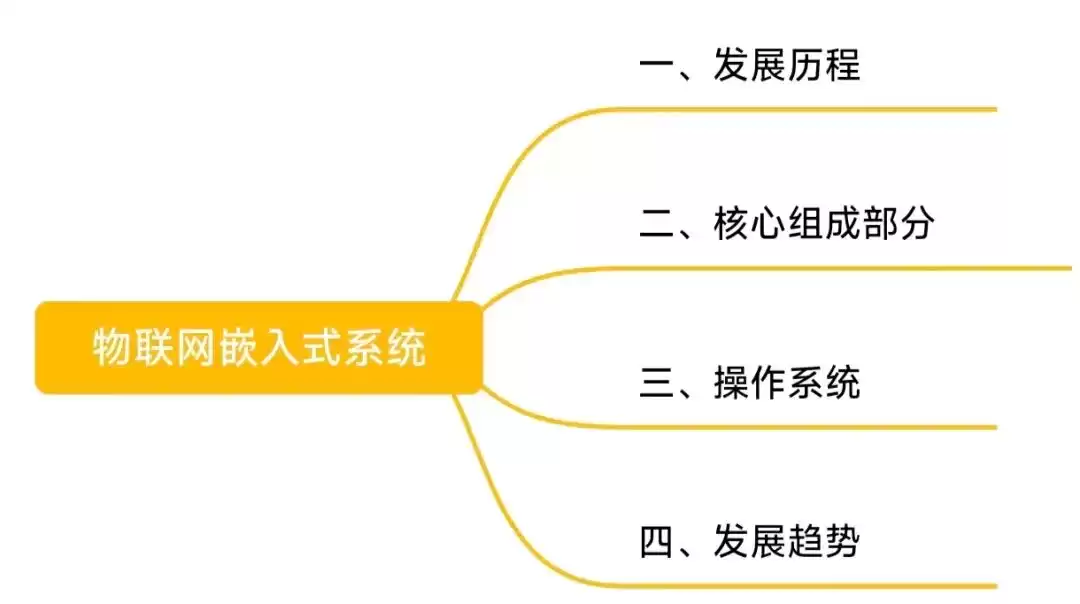
1. 演进之路:从孤立到互联的智能蜕变
1. Evolution: From Isolation to Intelligent Connectivity
嵌入式系统的演进,始终与微控制器(MCU)的创新同频共振。早期(20世纪70-90年代),8位单片机如Intel 8051主导,局限于家电、工业控制等简单闭环场景,功能单一且缺乏联网能力。迈入21世纪,32位MCU(如ARM Cortex-M系列)崛起,处理能力与集成度飞跃,Wi-Fi、蓝牙等通信模块的融入,推动嵌入式系统迈入“联网时代”,为物联网爆发奠定硬件基石。如今,在物联网浪潮中,嵌入式系统正朝高性能、低功耗、强连接方向加速演进,成为万物互联的坚实支柱。
The evolution of embedded systems is intrinsically linked to microcontroller (MCU) innovation. In the early era (1970s-1990s), 8-bit MCUs like Intel 8051 dominated, confined to simple closed-loop scenarios such as home appliances and industrial control, with limited functionality and no networking. Entering the 21st century, 32-bit MCUs (e.g., ARM Cortex-M series) surged, boosting processing power and integration. The inclusion of Wi-Fi, Bluetooth, and other communication modules propelled embedded systems into the "connected era," laying the hardware foundation for IoT's explosion. Today, amid the IoT wave, embedded systems are rapidly advancing towards high performance, low power consumption, and robust connectivity, solidifying their role as the backbone of the Internet of Everything.
2. 核心架构:构建智能设备的多元组件
2. Core Architecture: Diverse Components of Smart Devices
一个典型的物联网嵌入式系统,犹如精密的人体,包含以下关键部分:
A typical IoT embedded system resembles a sophisticated organism, comprising these essential parts:
核心处理器(MCU/MPU): 系统大脑,负责程序执行与数据处理。MCU(如STM32、ESP32)集成度高、功耗低,适用于智能传感器和穿戴设备;MPU性能强劲,支持复杂操作系统,驱动网关或智能摄像头等高算力场景。
Core Processor (MCU/MPU): The brain of the system, handling program execution and data processing. MCUs (e.g., STM32, ESP32) offer high integration and low power, ideal for smart sensors and wearables; MPUs deliver superior performance, running complex OSes for gateways or smart cameras in high-compute scenarios.
传感器: 设备感官,实时采集环境数据,如温湿度传感器(DHT22)、加速度计(MPU6050)、光照传感器等,让设备感知世界。
Sensors: The senses of devices, collecting real-time environmental data—temperature/humidity sensors (DHT22), accelerometers (MPU6050), light sensors—enabling devices to perceive the world.
执行器: 设备肢体,执行物理操作,如电机、继电器、LED灯、蜂鸣器,将指令转化为行动。
Actuators: The limbs of devices, performing physical actions—motors, relays, LEDs, buzzers—translating commands into motion.
通信模块: 设备纽带,实现数据交换。涵盖Wi-Fi、蓝牙、LoRa、NB-IoT、4G/5G等技术,可根据覆盖、功耗和速率需求灵活部署于智能家居、工业物联网等多元场景。
Communication Modules: The links of devices, enabling data exchange. Technologies like Wi-Fi, Bluetooth, LoRa, NB-IoT, and 4G/5G can be flexibly deployed in diverse scenarios—from smart homes to industrial IoT—based on coverage, power, and speed needs.
存储器: 包括Flash(存储代码)和RAM(暂存数据),容量决定系统功能复杂度。
Memory: Includes Flash (for code storage) and RAM (for temporary data), with capacity dictating system functionality.
电源管理单元: 提供稳定供电与低功耗优化,是电池设备续航的关键。
Power Management Unit: Ensures stable power and optimizes low consumption, critical for battery-powered device longevity.
3. 操作系统:智能管理的策略选择
3. Operating System: Strategic Choices for Smart Management
嵌入式操作系统(OS)是硬件资源与应用软件的桥梁。
Embedded OSes bridge hardware resources and application software.
裸机: 在简单设备上直接运行,无OS,实时性极佳但开发繁琐,适用于基础控制任务。
Bare Metal: Runs directly on simple devices without an OS, offering peak real-time performance but complex development, suited for basic control tasks.
实时操作系统(RTOS): 如FreeRTOS、RT-Thread、Zephyr,提供任务调度和内存管理,确保实时响应,是物联网设备的主流选择。
Real-Time OS (RTOS): Examples include FreeRTOS, RT-Thread, and Zephyr, providing task scheduling and memory management for real-time responses, the go-to for IoT devices.
嵌入式Linux: 适用于高性能MPU,具备完整网络栈和丰富生态,驱动智能网关、边缘节点等复杂应用。
Embedded Linux: For high-performance MPUs, with full network stacks and rich ecosystems, powering complex apps like smart gateways and edge nodes.
轻量级物联网OS: 如AliOS Things、TencentOS Tiny,专为物联网设计,集成连接与安全组件,简化开发流程。
Lightweight IoT OS: Examples like AliOS Things and TencentOS Tiny, IoT-specific with integrated connectivity and security, streamlining development.
4. 未来趋势:迈向智能、安全与高效的融合
4. Future Trends: Towards Intelligence, Security, and Efficiency
物联网嵌入式系统正加速进化:
IoT embedded systems are evolving rapidly:
边缘智能: 在设备端部署AI(如TinyML),实现本地数据处理与决策,降低延迟,增强隐私保护。
Edge Intelligence: Deploying AI (e.g., TinyML) on-device for local data processing and decisions, cutting latency and boosting privacy.
安全强化: 硬件级安全(如TrustZone)、安全启动和加密技术成为标配,抵御激增的网络威胁。
Security Reinforcement: Hardware-level security (e.g., TrustZone), secure boot, and encryption become standard, countering rising cyber threats.
极致低功耗: 通过先进工艺和能量收集技术,实现设备“永续在线”,扩展应用边界。
Ultra-Low Power: Advanced processes and energy harvesting enable "always-on" devices, expanding application frontiers.
开发范式变革: 云原生技术(如容器化、Serverless)下沉至边缘,提升开发效率与可移植性。
Development Shift: Cloud-native tech (e.g., containerization, Serverless) moves to the edge, boosting efficiency and portability.
今天的探索即将收官,但你的物联网之旅才刚刚开始!
如果你对嵌入式技术有独到见解,或想深入了解某个应用场景,
立即在评论区留言分享,让我们共同碰撞智慧火花!
关注我们,下期带你解锁更多物联网实战技巧——明天见,行动从现在开始!
That's a wrap for today, but your IoT journey is just beginning!
If you have insights on embedded tech or want to dive deeper into a specific scenario,
share your thoughts in the comments now—let's spark innovation together!
Follow us for more IoT实战 insights next time. See you tomorrow, and take action today!
互动问答精选
嵌入式物联网主要学什么?
物联网嵌入式发展前景如何?前景广阔!物联网是未来核心方向,学习嵌入式需持之以恒,掌握硬件设计、通信协议及AI集成等技能,方能抢占先机!
嵌入式物联网需掌握哪些技术?
嵌入式物联网技术涵盖嵌入式系统开发、传感器与无线通信、网络协议与安全、数据处理等。从MCU编程到云边协同,多维技能助你驾驭智能时代。
物联网嵌入式课程优势在哪?
嵌入式培训聚焦实战,虽小众但需求旺盛。国内优质资源集中于一线城市,系统学习可提升硬件/软件融合能力,直击产业痛点。
如何优化物联网应用?需哪些技术基础?
优化物联网应用,需扎实的嵌入式基础:精通MCU/MPU开发、传感器集成、低功耗设计及安全协议,以实现高效、可靠的智能解决方案。
嵌入式技术与物联网技术有何区别?
嵌入式技术侧重独立硬件系统开发,而物联网技术强调设备互联与数据交互。二者融合,方能构建从端到云的完整生态。
嵌入式Linux与物联网实战项目推荐?
学完嵌入式Linux,可尝试智能环境监测项目:结合传感器与MQTT协议,将数据上传云端,并通过小程序可视化,快速提升全栈能力。
如何看待嵌入式物联网?IT技术是时代潮流吗?
物联网是IT业的核心浪潮,嵌入式作为其基石,驱动智能硬件创新。紧跟技术演进,方能把握数字化未来。
物联网嵌入式考研方向有哪些?
物联网嵌入式考研可聚焦计算机科学、电子工程或通信技术方向,如边缘计算、嵌入式AI等,结合兴趣规划,深化专业竞争力。
物联网工程嵌入式培养是什么专业?
属物联网工程专业,培养具备计算机、传感与通信综合能力的创新人才,课程融合硬件设计与软件开发,直击行业需求。
嵌入式在物联网中能否“捞一把”?
技术需深耕,而非投机。嵌入式是物联网的支柱,随着AIoT爆发,掌握核心技能者将获长期回报。专注价值创造,机遇自会来临。